
Best Greyhound Betting Sites – Bet on Greyhounds in 2026
Loading...
The Epsom Derby is the race that defines a generation of thoroughbreds. Run over a mile and four furlongs on the undulating Epsom Downs course, it is the most prestigious flat race in Britain and one of the five Classics that every owner, trainer, and breeder aspires to win. For bettors, the Derby offers a unique proposition: a championship race where the form book collides with the unknown, because no three-year-old has faced this exact test before.
The British racing industry contributes over £4.1 billion to the UK economy annually, with direct revenues exceeding £1.47 billion and more than 85,000 jobs supported. The Derby sits at the apex of that industry — a single race that generates more betting interest, media coverage, and public attention than most meetings manage in an entire day. Betting on the Derby through non-GamStop platforms is a route that self-excluded punters increasingly take, and understanding the race’s character and markets is essential for doing so with any degree of skill.
Race Profile: The Ultimate Test of the Thoroughbred
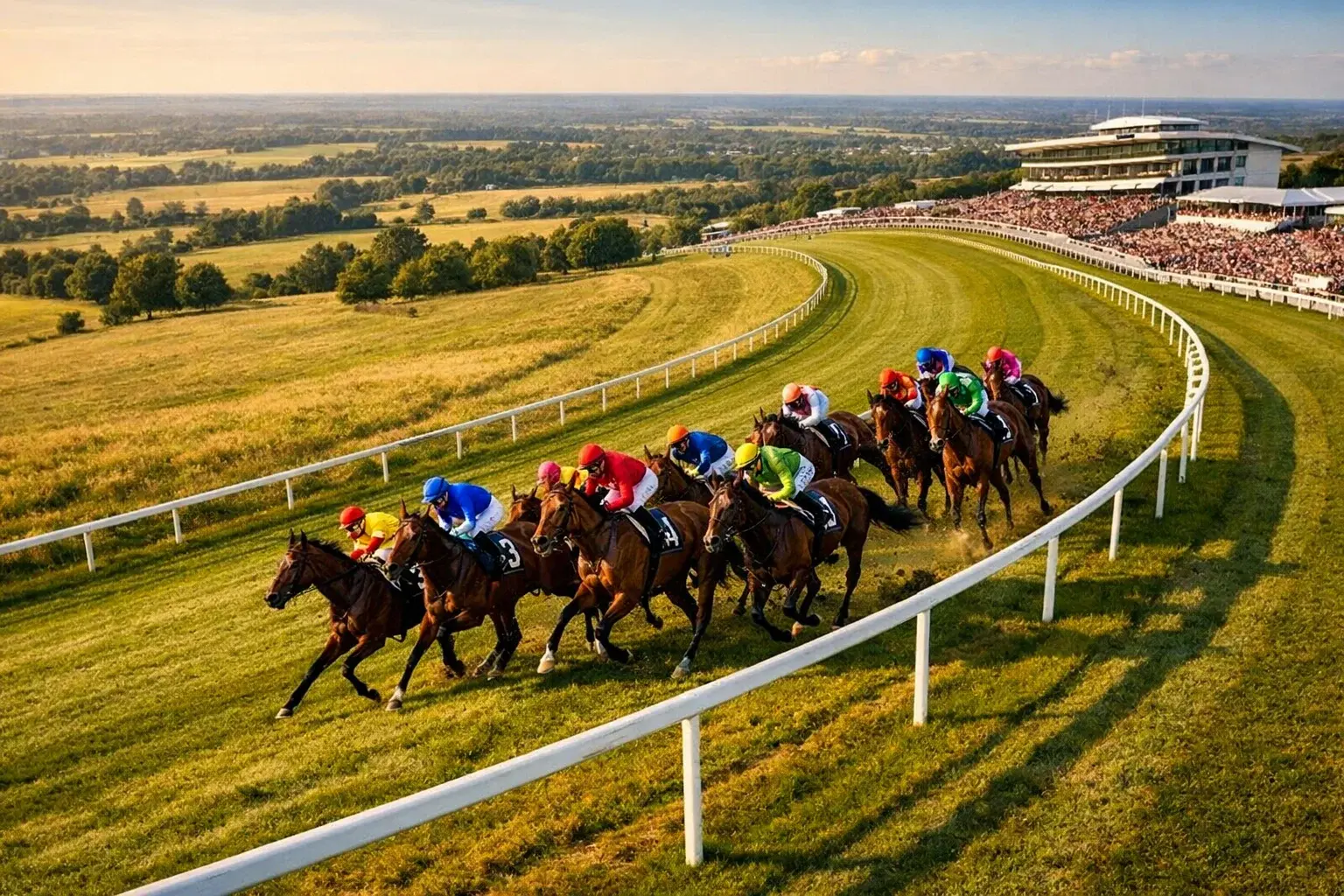
Epsom’s course is unlike any other in flat racing. The first half-mile rises steadily from the start before the field swings left-handed around Tattenham Corner — a sweeping downhill bend that tests balance, temperament, and the jockey’s ability to maintain position. The final straight runs slightly uphill, and the camber of the track throws some horses off their stride. It is a course that rewards agility as much as raw ability, and the list of brilliant horses who have failed at Epsom is almost as notable as the list of winners.
The Derby is restricted to three-year-old colts and fillies, which means every runner is facing the distance, the course, and the pressure of a championship race for the first time. Trial races at Lingfield, Chester, and the Curragh provide some indication of how a horse might handle Epsom, but they are approximations rather than reliable predictors. The Derby produces surprises more often than most Group 1 races because the variables — the track, the distance, the uniqueness of the challenge — are harder to replicate in preparation.
Fields typically range from 10 to 16 runners, which is large enough to create competitive betting markets but small enough that the form of each runner can be analysed in depth. The favourite’s strike rate in the Derby is respectable but not dominant — roughly one in three over the modern era — which means the market consistently overprices the jolly and underprices capable alternatives further down the card.
Ante-Post and Day-Of Markets for the Derby
Derby ante-post markets open as early as the previous autumn, when well-bred two-year-olds are first identified as Classic prospects. The market reshapes dramatically through the winter and spring as trial races reveal form, and the price of a horse can halve or double on the back of a single trial performance. Ante-post betting on the Derby requires patience and a willingness to accept the non-runner risk — if your selection does not make the final field, the stake is lost.
On non-GamStop sites, ante-post Derby markets vary in depth. The larger offshore bookmakers offer prices on the leading contenders from early in the year, while smaller operators may only price up the race once final entries are confirmed. If early ante-post access is important to your strategy, check the site’s coverage in January and February — not in May when the market is already compressed.
Day-of markets for the Derby are the most liquid flat racing betting event outside Royal Ascot. Morning prices are set by the bookmakers and adjusted throughout the day as money flows in. Exchange-traded prices often lead the bookmaker market, and non-GamStop sites that derive their odds from exchange data may offer brief windows of value as the morning market evolves. The final 30 minutes before the off typically see significant price movements as on-course money arrives and the market crystallises.
Each-way terms for the Derby follow the standard: three places at 1/5 odds for fields of eight or more runners. Given the typical field size of 12-16, each-way betting at bigger prices makes sense — a 20/1 shot with the place part returning 4/1 offers a meaningful return for a top-three finish, and the race’s unpredictability makes those prices more realistic than they might appear.
Derby History and What It Tells Bettors
First run in 1780, the Derby is one of the oldest horse races in the world and the one that inspired the naming of “derbies” across virtually every sport. Its roll call of winners includes some of the greatest names in racing history — Nijinsky, Shergar, Galileo, Frankel’s sire — and its influence on bloodlines extends across generations.
For bettors, the historical record reveals patterns that inform modern wagering. The Derby tends to be won by horses with class, stamina, and an ability to handle pressure — qualities that are not always apparent from trial form alone. Horses that have raced prominently in the 2,000 Guineas over a mile frequently lack the stamina for the extra half-mile at Epsom. Conversely, horses that have won over a mile and a quarter at a lesser track sometimes thrive when stepped up in both class and distance on Derby day.
The trainer’s record at Epsom is a useful historical filter. Certain trainers — Aidan O’Brien being the dominant modern example — have a consistent record of preparing horses for the unique demands of the course. O’Brien’s Ballydoyle operation routinely sends multiple runners to the Derby, and identifying which of his entries is the stable’s primary hope is one of the key form puzzles of the race.
Jockey records at Epsom carry weight too. The course demands experience — its gradients and camber punish riders who misjudge the pace or take the wrong line around Tattenham Corner. A leading jockey with multiple Derby rides has an advantage over a talented but less experienced partner, and the jockey booking can be a late signal of confidence from the connections that is worth factoring into your assessment.
Betting on the Derby Through Non-GamStop Sites
The Derby is a race that attracts once-a-year bettors alongside the regulars, and non-GamStop sites see a traffic spike on Derby day that mirrors what happens at Aintree during the Grand National — albeit on a smaller scale. Offshore bookmakers respond with enhanced odds offers on the favourite, accumulator bonuses across the Epsom card, and free bet promotions tied to the feature race.
The remote betting market across all sports generated £2.6 billion in GGY in FY2024-25, and premium flat racing events like the Derby drive a meaningful share of that activity. On non-GamStop platforms, the Derby is typically the best-priced and best-covered flat race of the year — the one event where offshore operators invest the most in their racing product.
If you are betting on the Derby through a non-GamStop bookmaker, the practical advice mirrors what applies to any major race. Source your form data independently through the Racing Post or Timeform. Compare prices across two or three offshore sites before placing your bet. Consider each-way if your selection is priced at 10/1 or above. Set a budget for Derby day and stick to it. The race has been running for nearly 250 years, and it will run again next year. There is no need to overcommit on a single afternoon.