
 Available in US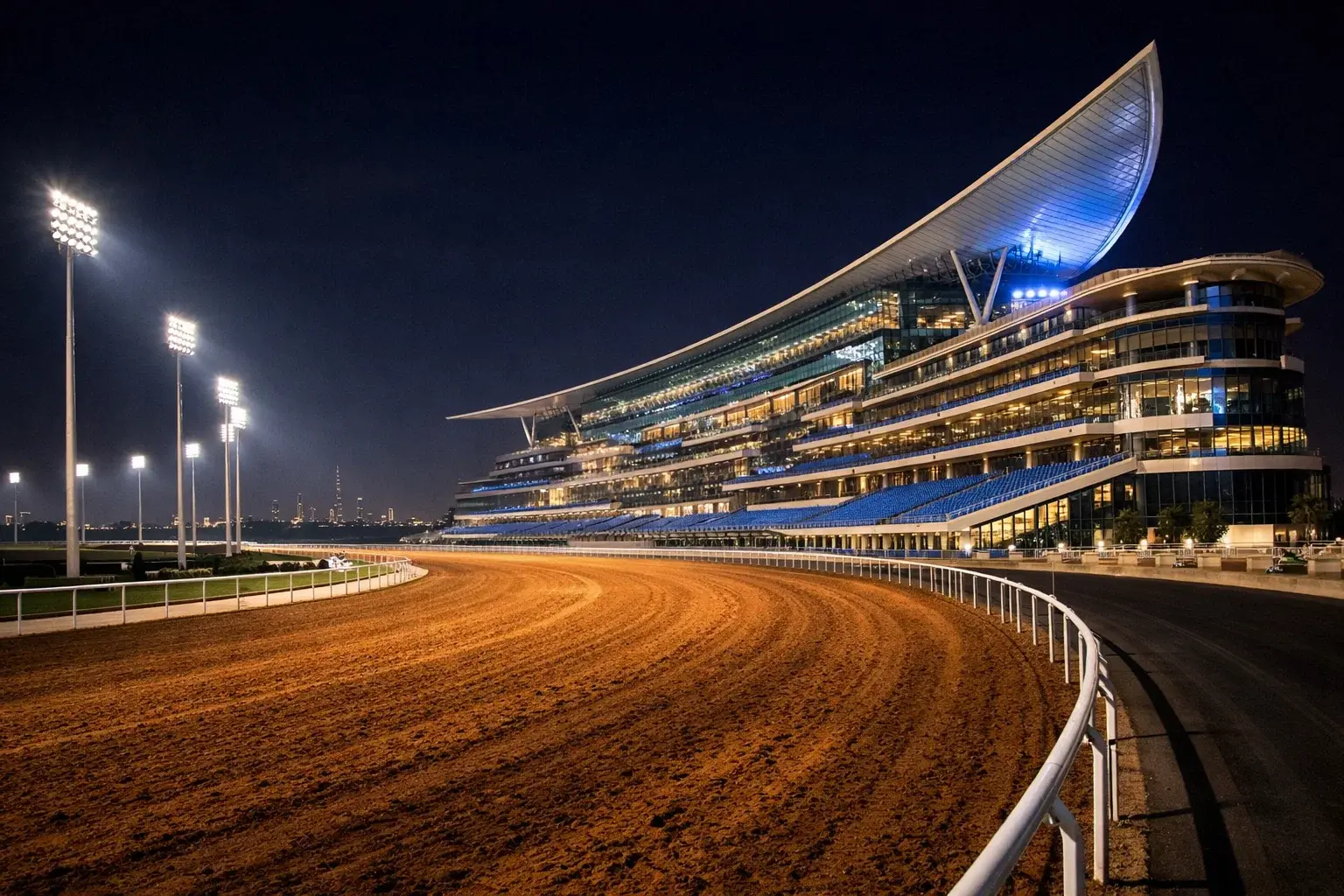
UK punters who limit their betting to British and Irish racing are leaving opportunities on the table. The global racing calendar runs almost year-round — Dubai in March, Kentucky in May, the Arc in October, Melbourne in November — and non-GamStop betting sites, built to serve an international customer base, typically offer broader coverage of these fixtures than their UKGC-licensed counterparts. Racing without borders is not an abstract concept; it is a practical proposition for any bettor willing to study unfamiliar form.
The domestic market alone is substantial: online horse racing betting generated £766.7 million in gross gambling yield in Britain during the financial year ending March 2025. But the international picture is even larger. Online gambling across Europe reached 39 per cent of total gambling revenue in 2024, up from 37 per cent the year before, according to the European Gaming and Betting Association’s 2025 report. The shift to digital wagering is global, and international racing markets are a direct beneficiary.
Betting on the Dubai World Cup Without GamStop Restrictions
The Dubai World Cup at Meydan Racecourse in late March carries a purse of $12 million for the headline race alone — a nine-furlong dirt contest that draws the best older horses from America, Japan, Europe, and the Middle East. The supporting card adds another $25 million or more across eight Group-level races, making World Cup night the single richest evening of horse racing anywhere in the world. For UK bettors, the timing is convenient: races run in the early evening GMT, no alarm clock required.
The form challenge is what makes Dubai betting interesting. European turf horses contesting the Sheema Classic or Dubai Turf carry recognisable form that British punters can assess with confidence — these races share direct form lines with the King George, the Champion Stakes, and the Arc. The dirt races are harder. American-trained runners carry speed figures and race profiles from a fundamentally different system. When a European contender crosses over to the main World Cup race on dirt, the market’s uncertainty about surface suitability is where value hides — and non-GamStop bookmakers typically offer ante-post and each-way terms that domestic operators do not match on international fixtures.
Melbourne Cup, Kentucky Derby, and Breeders’ Cup
The Melbourne Cup — first Tuesday in November, Flemington Racecourse — is a two-mile handicap that annually attracts strong international entries. European-trained stayers with proven form over a mile and six furlongs or two miles on turf frequently travel well, and the form crossover with British Cup races is well-documented. The early-morning GMT start limits live viewing, but pre-race markets open the evening before, and the handicap format with 24 runners makes it a natural each-way betting event. In recent years, the presence of British and Irish trainers in the Melbourne Cup field has increased, giving UK bettors a larger pool of familiar runners to assess.
The Kentucky Derby, run on the first Saturday in May at Churchill Downs, is the opening leg of American racing’s Triple Crown. A mile-and-a-quarter contest on dirt for three-year-olds, it demands analytical tools unfamiliar to most British punters — Beyer Speed Figures, trainer patterns through the American prep series, and track-specific biases that differ from anything encountered on European turf. That knowledge gap is the opportunity: when UK bookmakers price the Kentucky Derby, they rely on the same limited information as their general customer base. A punter who has actually studied the prep race form has an informational edge over the market.
The Breeders’ Cup compresses 14 championship races into two days in late October or early November. The Turf and Mile divisions regularly feature European-trained runners with genuine winning chances, and these are the races where British form knowledge provides the strongest basis for price assessment. Non-GamStop sites frequently enhance each-way terms on Breeders’ Cup fields as a promotional tool, increasing expected place-bet value in the more competitive divisions.
Prix de l’Arc de Triomphe and European Racing
The Prix de l’Arc de Triomphe, held at ParisLongchamp on the first Sunday in October, is the race with the most direct relevance to British punters betting internationally. A mile-and-a-half Group 1 on turf, the Arc’s field intersects with the Derby, Irish Derby, King George, and Yorkshire Oaks form lines. This makes it the easiest major international race to analyse from a UK base — the horses, trainers, and jockeys are largely familiar, and the going conditions at Longchamp in autumn (typically soft to heavy) create a clear selection filter.
Beyond the Arc, European racing offers year-round betting opportunities covered by most non-GamStop bookmakers: French racing at Deauville and Chantilly, German fixtures at Baden-Baden, Italian Group races at San Siro, and the Hong Kong International Races in December. The shared European bloodline base and overlapping rating systems make cross-border form assessment more reliable than for American or Australian racing. These fixtures attract less UK betting volume, which means the odds are set by a thinner market — and thinner markets produce the kind of pricing inefficiencies that informed punters can exploit.
Time Zones, Coverage, and Live Streaming Abroad
The practical obstacle for international racing is scheduling. Dubai and European meetings fall within comfortable UK hours. Australian fixtures run through the early morning. American evening cards extend past midnight GMT. Japanese racing arrives in the small hours. For most punters, selective engagement is the realistic approach: target the fixtures where timing allows proper analysis and live viewing, rather than trying to cover every global meeting.
Non-GamStop sites generally offer broader streaming coverage of international racing than UK-licensed operators, partly because their multi-jurisdiction licences grant wider streaming rights. Quality varies — direct track feeds versus delayed relays — and stream latency affects in-play viability, but for pre-race betting, streaming availability is primarily a form-study tool rather than a trading requirement.
The structural advantage of international racing for UK bettors is market inefficiency. A midweek handicap at Cheltenham is priced by thousands of knowledgeable punters who follow every runner. A Group 2 at Sha Tin, or a graded stakes at Gulfstream Park, is priced by a much thinner, less informed market. Thinner markets produce wider price errors — and it is in those errors that racing without borders offers its clearest value.
